
Why Uttarakhand is Known as the Land of Gods (Dev Bhoomi)
introduction
Why Uttarakhand is Known as Dev Bhoomi is a question asked by millions of pilgrims and travelers who visit this sacred Himalayan state every year. Located in the heart of the magnificent Himalayas, Uttarakhand is known as Dev Bhoomi, meaning “The Land of Gods.” It is one of India’s holiest destinations, attracting devotees and tourists with its ancient temples, sacred rivers, serene mountains, and rich spiritual heritage. Whether you seek faith, culture, or breathtaking natural beauty, Uttarakhand offers an unforgettable experience.
Why is Uttarakhand Called Dev Bhoomi?
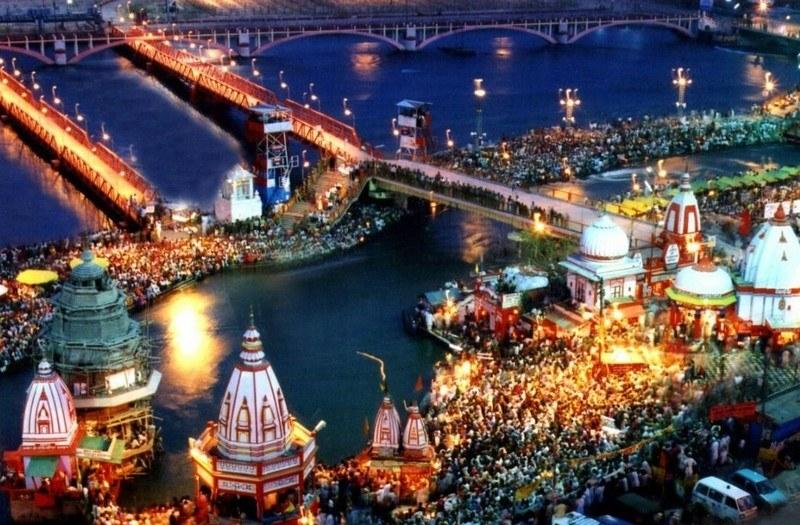
The idea that numerous Hindu gods and goddesses visited, dwelt, or meditated in this area is the source of the name Dev Bhoomi.
Hindu mythology states that many holy rivers, such as the Ganga and Yamuna, originate in the Himalayan forests, where sages conducted penance. The state has great religious significance because of its spiritual atmosphere and stunning scenery.The name Dev Bhoomi comes from the belief that many Hindu gods and goddesses lived, meditated, or visited this region. According to Hindu mythology, sages performed penance in the Himalayan forests, and many sacred rivers, including the Ganga and Yamuna, originate here. The state’s spiritual atmosphere, combined with its breathtaking landscapes, makes it a place of deep religious significance.
Home to the Sacred Char Dham
The Char Dham Yatra, one of the most sacred Hindu pilgrimages, is one of the main reasons Uttarakhand is referred to as the Land of Gods. The four hallowed shrines are:
- Yamunotri Temple – Dedicated to Goddess Yamuna.
- Gangotri Temple – Dedicated to Goddess Ganga.
- Kedarnath Temple – One of the twelve Jyotirlingas of Lord Shiva.
- Badrinath Temple – Dedicated to Lord Vishnu.
Every year, thousands of devotees undertake this spiritual journey to seek blessings and inner peace.
Sacred Rivers and Holy Ghats:Why Uttarakhand is Known as Dev Bhoomi
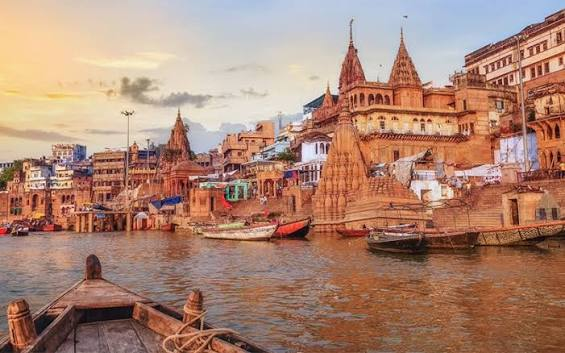
The name Dev Bhoomi comes from the belief that many Hindu gods and goddesses came, lived, or meditated here.
According to Hindu tradition, sages performed penance in the Himalayan forests, where many sacred rivers, including the Ganga and Yamuna, originated. The state’s breathtaking scenery and spiritual environment give it significant religious significance.
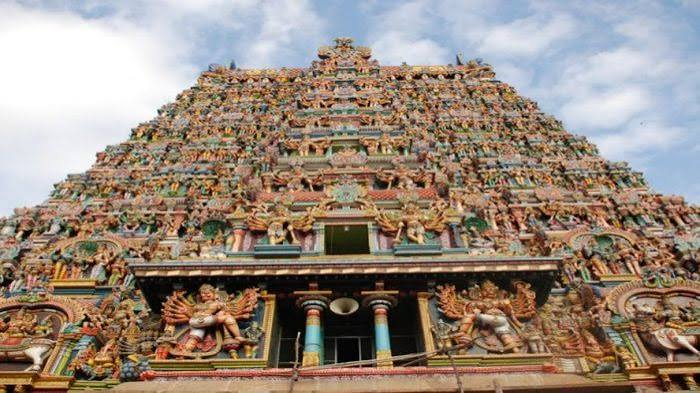
Apart from the Char Dham, Uttarakhand is home to hundreds of ancient temples that reflect its rich religious history. Some of the most famous include:
- Jageshwar Temples – A group of ancient stone temples dedicated mainly to Lord Shiva.
- Neelkanth Mahadev Temple – A revered Shiva temple surrounded by forests near Rishikesh.
- Dhari Devi Temple – Dedicated to Goddess Kali and considered the protector of Uttarakhand.
These temples attract devotees from all over the world throughout the year.
Spirituality and Natural Beauty:Why Uttarakhand is Known as Dev Bhoomi

There is more to Uttarakhand than just temples.
A setting ideal for meditation, yoga, and self-discovery is created by snow-capped mountains, thick woods, glistening rivers, and serene valleys. Spiritual seekers from all over the world are drawn to locations like Rishikesh, Haridwar, and the Himalayan pilgrimage routes.
Best Time to Visit
When the weather is nice and most pilgrimage routes are open, April through June and September through November are the best times to visit Uttarakhand’s sacred sites.
Because excessive rains can create landslides in mountainous locations, travellers should steer clear of the peak monsoon season.
Conclusion
Uttarakhand’s profound spiritual roots, hallowed temples, sacred rivers, and age-old customs make it a true “Dev Bhoomi” state. Uttarakhand offers a singular experience that nurtures the mind and the soul, whether you are a traveller seeking tranquillity and natural beauty or a devotee seeking blessings.
A trip to Dev Bhoomi is more than simply a vacation; it’s a spiritual encounter that creates enduring memories and encourages a closer relationship with religion, the natural world, and culture.